
Davenport Institute for Public Engagement and Civic Leadership
The Davenport Institute for Public Engagement and Civic Leadership works with local governments, non-profit organizations, and residents to both promote and support constructive and broad-based civic involvement. We impact decisions that affect people where they live and work.
Special Feature

Announcing new Executive Director, Dr. Peter Pirnejad, ICMA-CM
We are proud to welcome Dr. Peter Pirnejad, ICMA-CM as our newest Executive Director.
Peter brings more than 27 years of local government, public administration, and civic
leadership to the Institute. He currently serves as president of Cal-ICMA for the
2025-26 term, holds board and advisory board roles within several technology companies
and funds, supports the Santa Clara County City Manager's Leadership Academy, and
serves as a visiting lecturer at Stanford University and the University of California,
Los Angeles.
Peter will engage outwardly with local government practitioners through the continuation and expansion of our certificate offerings, while also preparing School of Public Policy students for careers in municipal governance through a teaching role within the state and local government policy curricular track.
Our Mission
To advance public engagement and civic education that fosters productive interaction between communities and local government.
Our Vision
The Davenport Institute is a recognized leader in promoting healthy public engagement to strengthen local democracy.
What We Do

We offer comprehensive training opportunities in public engagement for local and regional government leaders.
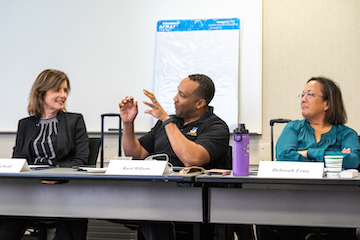
We offer various resources to help design, deliver, and promote inclusive, authentic, and effective public engagement.

We provide a unique platform which brings together partners in civic leadership and public participation in local government.
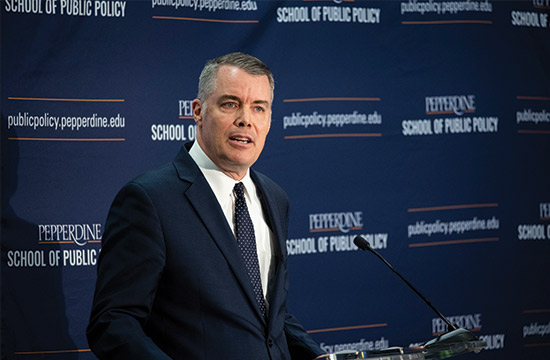
"At the heart of Davenport Institute's work is building—in some cases, rebuilding—trust between citizens and government. Public engagement is both a set of skills and a perspective on what's possible when the public and the public sector come together to customize policy solutions at the community level."
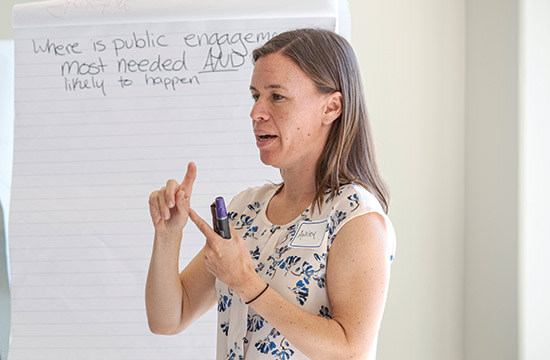
"The Davenport Institute provides the knowledge, resources, and practical support that local leaders need to engage the full diversity of resident voices to inform policy in a meaningful way on the perennial and emerging issues that shape our communities in the 21st century. Getting this right is vital to strengthen the foundation of local democracy."

"The old ways of doing business often limit seats and the table and don't always address the evolving needs of changing community demographics. The Davenport Institute provides current tools to engage your entire community during the civility of calm times or the incivility of crises."
Davenport Institute Case Studies
The Davenport Institute is launching a call for current case studies to help capture the rapidly expanding work of local communities towards civic engagement in California, and the amazing diversity of innovative approaches. The selected cases will be added to the Davenport Institute website under the Research and Studies section, featured on our social media, and incorporated into our trainings (where applicable).